
Who is Most at Risk of Legionnaires Disease?
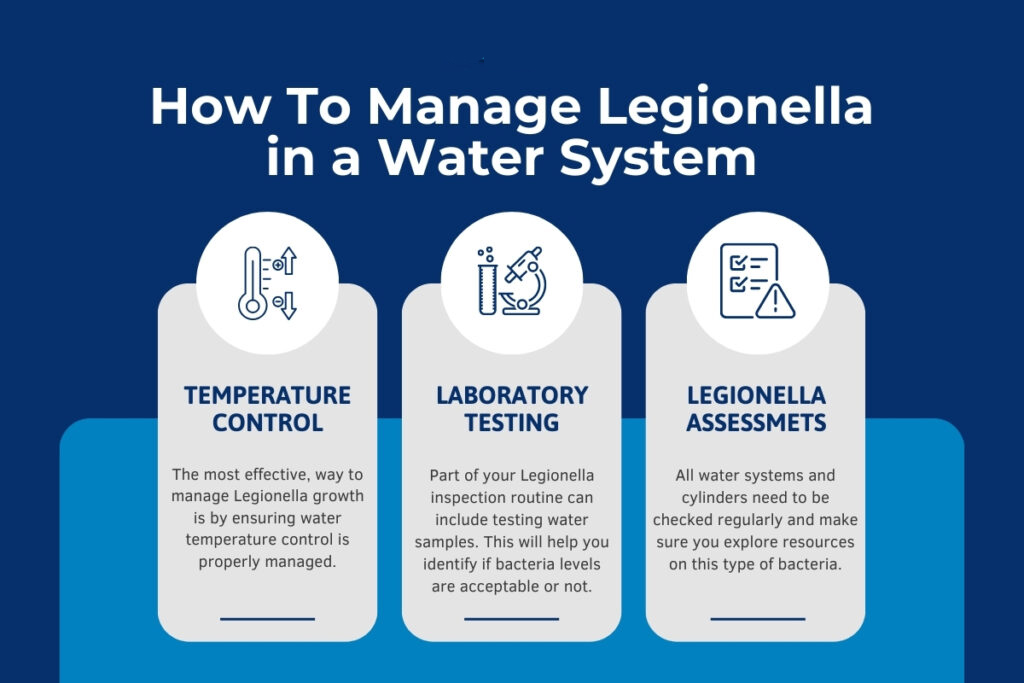
Legionnaires’ disease is a serious respiratory infection caused by inhaling airborne water droplets contaminated with Legionella bacteria. While healthy individuals can sometimes be exposed without becoming ill, certain groups are significantly more vulnerable to infection and serious complications.
Understanding who is most at risk is an important part of effective Legionella prevention and water system management, particularly in healthcare, aged care, commercial, and public facilities across New South Wales.
People with Weakened Immune Systems
Individuals with weakened immune systems are among the highest-risk groups for Legionnaires’ disease. Their bodies may struggle to fight infections, making exposure to contaminated water systems far more dangerous.
This includes people with:
- Cancer or undergoing chemotherapy
- Kidney disease or kidney failure
- Diabetes
- HIV or immune-related illnesses
- Organ transplants
- Autoimmune conditions requiring immunosuppressive medication
Hospitals, medical centres, and healthcare facilities must maintain strict water hygiene controls to minimise exposure risks for vulnerable patients.
Older Adults and Smokers
Legionnaires’ disease most commonly affects adults over middle age, particularly those with a history of smoking or existing respiratory conditions.
Smoking can damage the lungs and reduce the body’s ability to clear bacteria from the respiratory system, increasing the likelihood of severe infection.
People with chronic respiratory illnesses such as:
- Chronic obstructive pulmonary disease (COPD)
- Emphysema
- Asthma
- Chronic bronchitis
may also face increased risks if exposed to contaminated aerosolised water.
Hospital Patients and Aged Care Residents
Healthcare and aged care environments are considered higher-risk settings because they often accommodate individuals with weakened immune systems and chronic health conditions.
Poorly maintained warm water systems, stagnant pipework, and biofilm growth can create conditions where Legionella bacteria thrive if proper water management procedures are not in place.
For this reason, facilities such as:
- Hospitals
- Aged care homes
- Rehabilitation centres
- Medical clinics
- Nursing homes
must implement ongoing water management programs, temperature monitoring, flushing procedures, and disinfection protocols to reduce risk.
Legionella Risks in Newborns and Infants
Although Legionnaires’ disease is more commonly associated with older adults and people with weakened immune systems, newborns and infants can also be vulnerable in rare cases. Because their immune systems are still developing, infants may have a reduced ability to fight bacterial infections if exposure occurs.
In healthcare environments such as hospitals, neonatal intensive care units (NICUs), maternity wards, and specialised care facilities, maintaining safe water systems is critical to protecting infant health.
Legionella bacteria can develop in warm water plumbing systems where conditions allow bacterial growth, particularly in stagnant sections of pipework, improperly maintained fixtures, or systems affected by biofilm build-up.
Potential exposure sources in infant care settings may include:
- Warm water systems
- Bathing equipment and infant baths
- Humidifiers and respiratory equipment
- Low-use plumbing fixtures
- Stagnant water within pipework or storage systems
In New South Wales, hospitals and healthcare providers must maintain water systems in accordance with NSW Health guidelines and Australian Standards to help protect vulnerable patients from waterborne bacteria.
While Legionella infections in newborns remain uncommon, proactive water system management is essential to reducing risk and maintaining safe healthcare environments. Proper plumbing maintenance, system design, and regular disinfection play a vital role in protecting infants and other high-risk occupants from exposure.
Why Proper Water System Management Matters
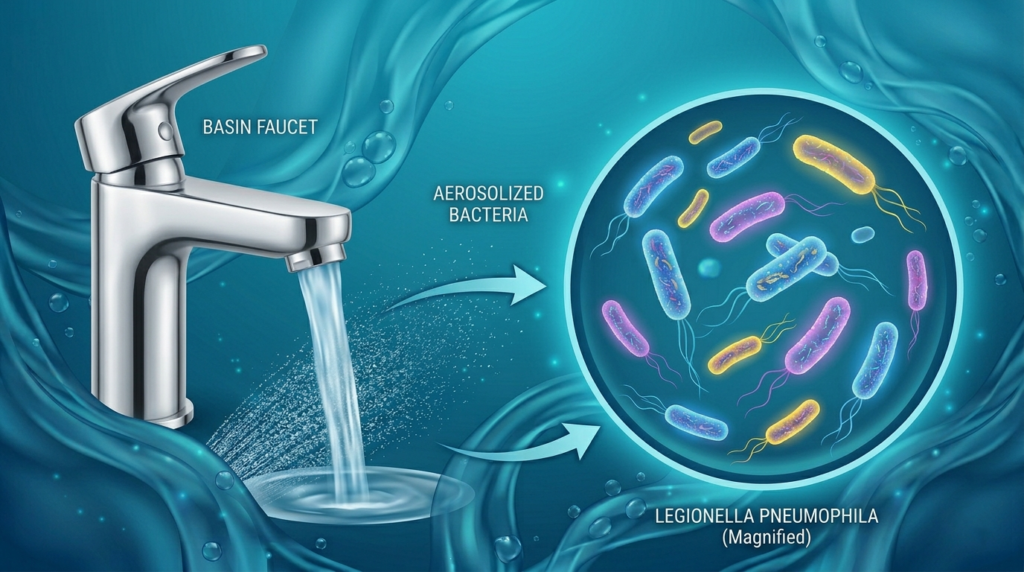
Legionella bacteria grow most commonly in warm, stagnant water systems where temperatures and conditions allow bacterial growth and biofilm formation.
Without proper maintenance, bacteria can spread through:
- Showers
- Taps
- Warm water systems
- Aerosol-producing fixtures
- Medical and healthcare equipment
Professional Legionella plumbing services help reduce these risks through:
- Water system risk assessments
- Temperature control strategies
- Sodium hypochlorite treatment
- Flushing and stagnation prevention
- Biofilm and bacteria control
- Water system recommissioning
Reducing Legionella Risk in NSW Facilities
In Central Coast and Newcastle, businesses and facility managers are responsible for maintaining safe and compliant water systems in accordance with NSW Health guidelines and Australian Standards.
Proactive Legionella management is essential to protecting vulnerable occupants, maintaining compliance, and reducing the risk of outbreaks.
Protect Vulnerable People with Professional Legionella Control
If your facility accommodates vulnerable individuals or contains warm water systems at risk of bacterial growth, professional Legionella management is essential.
East Coast Legionella Treatment Specialist provide Legionella risk assessments, system treatment, flushing, and compliance services throughout NSW to help keep your water systems safe and compliant year-round.