
What Temperature Kills Legionella?
Temperature is one of the most important factors in controlling Legionella bacteria within plumbing systems. Understanding how Legionella responds to different water temperatures is critical for maintaining safe water systems and reducing the risk of Legionnaires’ disease.
Legionella bacteria thrive in warm water conditions and can multiply rapidly when temperatures are not properly controlled. This is why temperature management forms a key part of Legionella prevention programs throughout commercial buildings, healthcare facilities, aged care homes, hotels, and industrial sites.
The Legionella Temperature Danger Zone
Legionella grows most effectively in water temperatures between 20°C and 45°C.
This temperature range provides ideal conditions for bacterial growth, particularly when combined with stagnant water, biofilm formation, and poor system maintenance.
Legionella Growth Temperatures
- Below 20°C: Legionella becomes dormant and multiplication is significantly reduced.
- 20°C to 45°C: Legionella can multiply rapidly.
- Around 50°C: Bacterial growth begins to slow considerably.
- 60°C and above: Legionella bacteria are progressively destroyed.
- 70°C and above: Rapid disinfection occurs.*
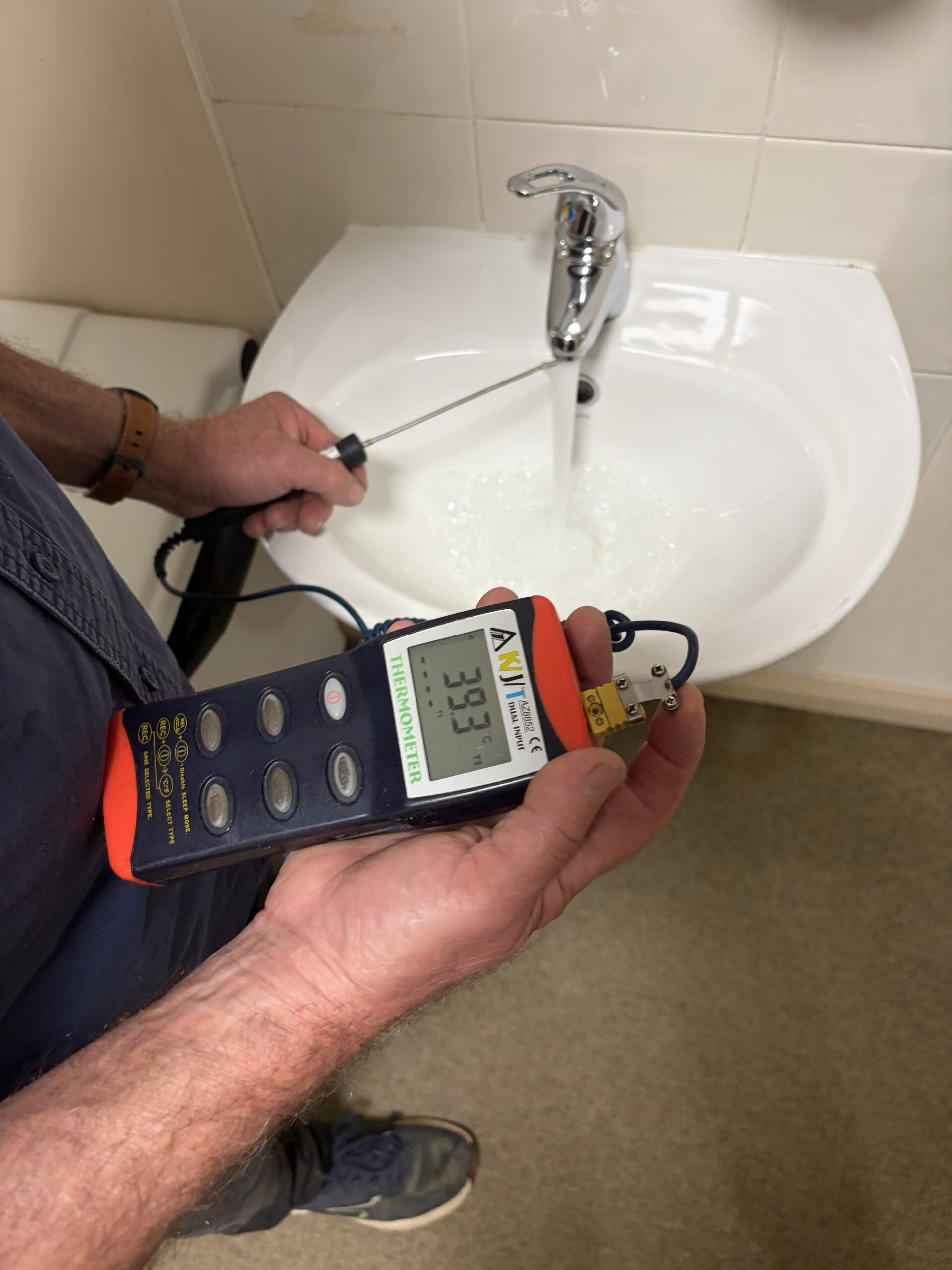
Because many warm water systems deliver water at approximately 43°C, they often operate within the temperature range where Legionella can survive and multiply. This is why temperature control alone is not always enough, and ongoing monitoring is essential.
Why is Hot Water Stored at 60°C?
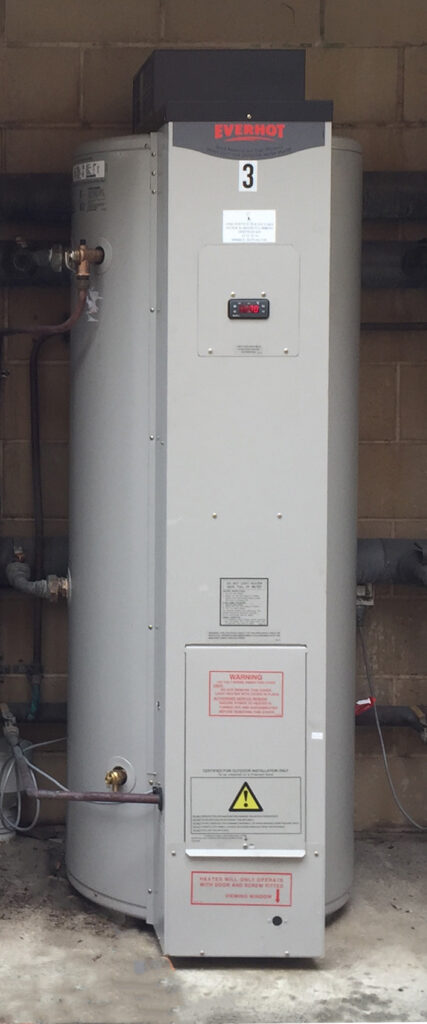
Australian plumbing standards and water management practices commonly require hot water storage systems to maintain temperatures of 60°C or higher.
This higher storage temperature helps suppress Legionella growth within hot water tanks and storage vessels.
However, water at 60°C can cause serious scalding injuries, which is why thermostatic mixing valves (TMVs) are often installed to reduce the delivery temperature at outlets such as:
- Showers
- Hand basins
- Healthcare facilities
- Aged care facilities
- Childcare centres
These systems allow water to be stored at a temperature that discourages bacterial growth while delivering safer water temperatures to users.
The Challenge of Warm Water Systems
Many warm water systems are designed to supply water at approximately 43°C to taps and showers. While this helps prevent scalding, it also creates an environment that falls directly within the Legionella growth range.
If water is allowed to stagnate or temperatures fluctuate, Legionella bacteria can establish colonies within pipework, storage tanks, valves, and fixtures.
For this reason, facilities with warm water systems require:
- Regular temperature monitoring
- Routine flushing programs
- Water system inspections
- Biofilm control measures
- Ongoing maintenance of thermostatic mixing valves
Temperature Alone May Not Eliminate Legionella
* While high temperatures can kill Legionella bacteria, temperature control alone may not completely eliminate the risk.
One of the primary reasons is biofilm.
Biofilm is a slimy layer of microorganisms that forms on the inside surfaces of pipes and plumbing fixtures. Legionella bacteria can survive within biofilm where they may be protected from temperature changes and disinfectants.
Other factors that can contribute to bacterial survival include:
- Dead legs and stagnant pipework
- Low-use outlets
- Poorly maintained water systems
- Inconsistent temperatures throughout the network
This is why comprehensive Legionella management often includes disinfection, flushing, risk assessments, and ongoing monitoring in addition to temperature control.
Maintaining Safe Hot and Cold Water Temperatures
Effective Legionella prevention typically includes:
Hot Water Systems
- Storage temperatures maintained at 60°C or above
- Regular monitoring of return temperatures
- Verification of temperatures throughout the system
Cold Water Systems
- Temperatures maintained below 20°C where practical
- Protection from heat gain
- Regular circulation and maintenance
Maintaining these temperature ranges helps create conditions that are less favourable for Legionella growth.
Professional Legionella Temperature Monitoring
For facilities across the Central Coast and Newcastle, temperature monitoring is one of the most effective tools for identifying potential Legionella risks before they become serious problems.
At East Coast Legionella Treatment Specialists, we provide professional plumbing services including temperature monitoring, Legionella risk assessments, system flushing, sodium hypochlorite treatment, and water system management to help businesses maintain safe and compliant water systems.
Key Takeaway
Legionella bacteria multiply most rapidly between 20°C and 45°C, making warm water systems particularly vulnerable if not properly maintained. Hot water should generally be stored at 60°C or above, while cold water should remain below 20°C wherever practical. Because many warm water systems operate around 43°C, ongoing monitoring, flushing, and preventative maintenance are essential for reducing Legionella risks and maintaining compliance.