
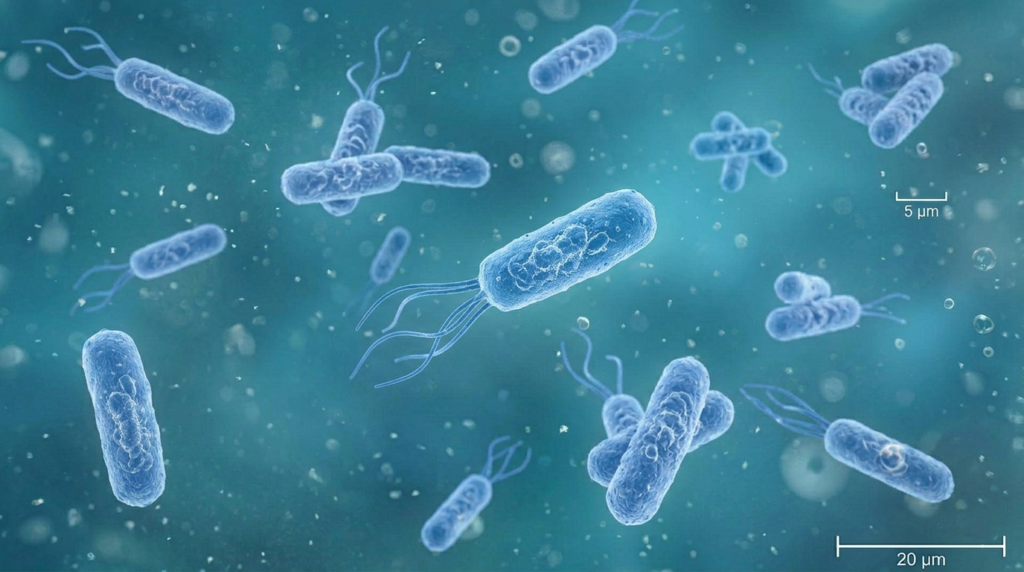
What Are Dead Legs in Plumbing Systems?
Dead legs are sections of pipework where water has little or no movement for extended periods. These stagnant sections of plumbing can create ideal conditions for the growth of Legionella bacteria and other waterborne microorganisms, making them one of the most significant risk factors in water system management.
Dead legs are commonly found in both commercial and residential plumbing systems and are a major focus of Legionella prevention programs throughout NSW.
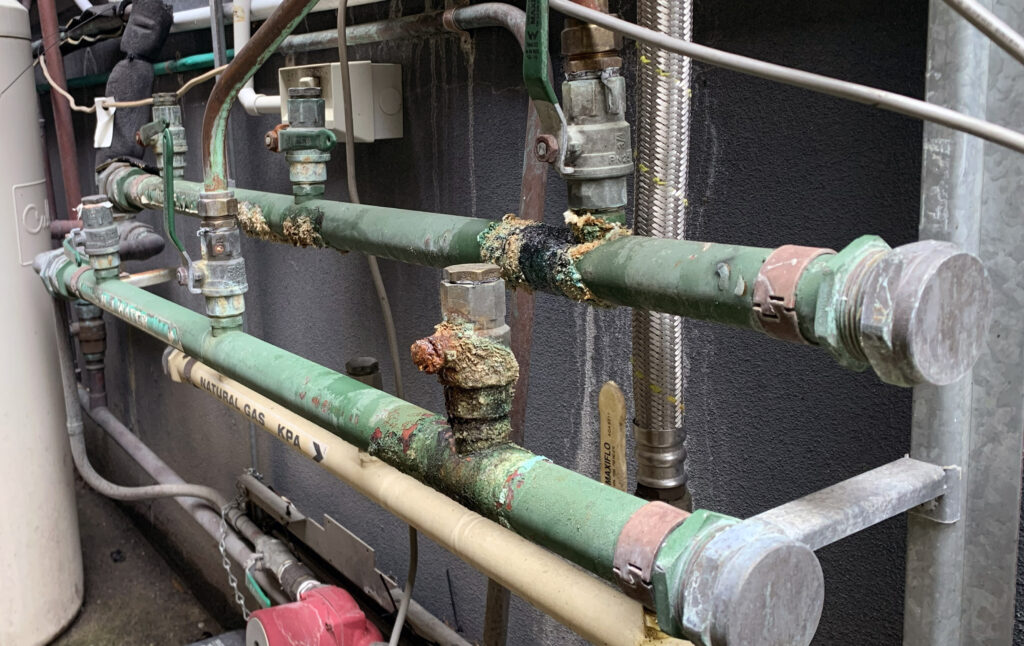
What Causes a Dead Leg?
A dead leg occurs when part of a plumbing system is no longer regularly used but remains connected to the active water network.
Common causes include:
- Redundant pipework left in place after renovations
- Removed fixtures that were never properly disconnected
- Rarely used taps, showers, or outlets
- Future plumbing connections that remain capped for extended periods
- Oversized plumbing systems with low water demand
Because water is not regularly exchanged in these sections, it can sit stagnant for weeks, months, or even years.
Why Are Dead Legs Dangerous?
Stagnant water creates the perfect environment for bacterial growth.
Legionella bacteria multiply most rapidly in water temperatures between 20°C and 45°C. When water remains trapped within a dead leg, temperatures often stabilise within this range, creating ideal conditions for bacterial colonisation.
Dead legs can also contribute to:
- Loss of disinfectant residuals
- Biofilm development
- Poor water quality
- Sediment accumulation
- Increased bacterial contamination
These factors significantly increase the risk of Legionella growth throughout the water system.
The Connection Between Dead Legs and Biofilm
One of the biggest concerns associated with dead legs is biofilm formation.
Biofilm is a slimy layer of microorganisms that develops on the internal surfaces of pipes, valves, and fittings. Once established, biofilm provides a protective environment where Legionella bacteria can survive and multiply.
Because water inside dead legs remains largely undisturbed, biofilm can develop more quickly than in regularly used sections of pipework.
Over time, bacteria may be released from the biofilm and spread into the active plumbing system.
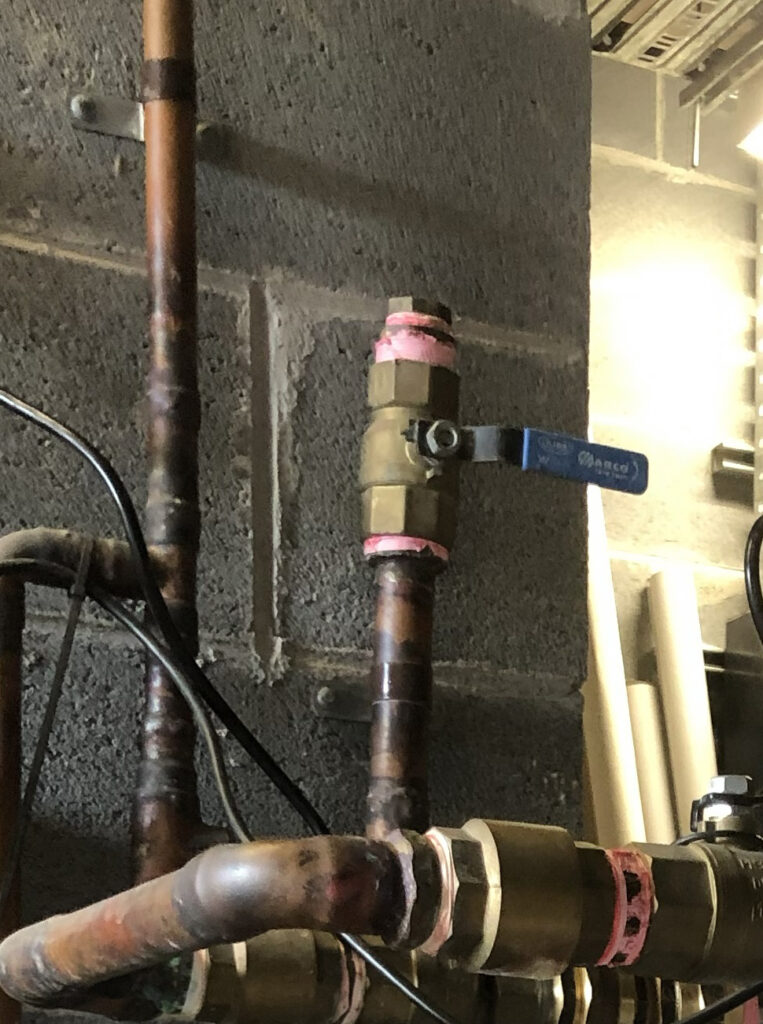
How Dead Legs Contribute to Legionella Growth
Dead legs create several conditions that favour Legionella:
Stagnant Water
Lack of water movement allows bacteria to establish colonies.
Ideal Temperatures
Water trapped within pipework often falls into the Legionella growth range of 20°C to 45°C.
Biofilm Formation
Undisturbed surfaces encourage biofilm development.
Reduced Disinfectant Levels
Any residual disinfectants naturally dissipate over time when water remains stagnant.
Together, these factors create one of the highest-risk environments for Legionella growth within a plumbing system.
How Dead Legs Contribute to Legionella Growth
Dead legs create several conditions that favour Legionella:
Stagnant Water
Lack of water movement allows bacteria to establish colonies.
Ideal Temperatures
Water trapped within pipework often falls into the Legionella growth range of 20°C to 45°C.
Biofilm Formation
Undisturbed surfaces encourage biofilm development.
Reduced Disinfectant Levels
Any residual disinfectants naturally dissipate over time when water remains stagnant.
Together, these factors create one of the highest-risk environments for Legionella growth within a plumbing system.
Where Are Dead Legs Commonly Found?
Dead legs can occur in many different types of buildings, including:
- Hospitals and healthcare facilities
- Aged care homes
- Hotels and accommodation facilities
- Schools and universities
- Commercial office buildings
- Industrial facilities
- Apartment complexes
Older buildings and properties that have undergone multiple renovations are particularly susceptible.
Does a Dead Leg Need to Be a Certain Length?
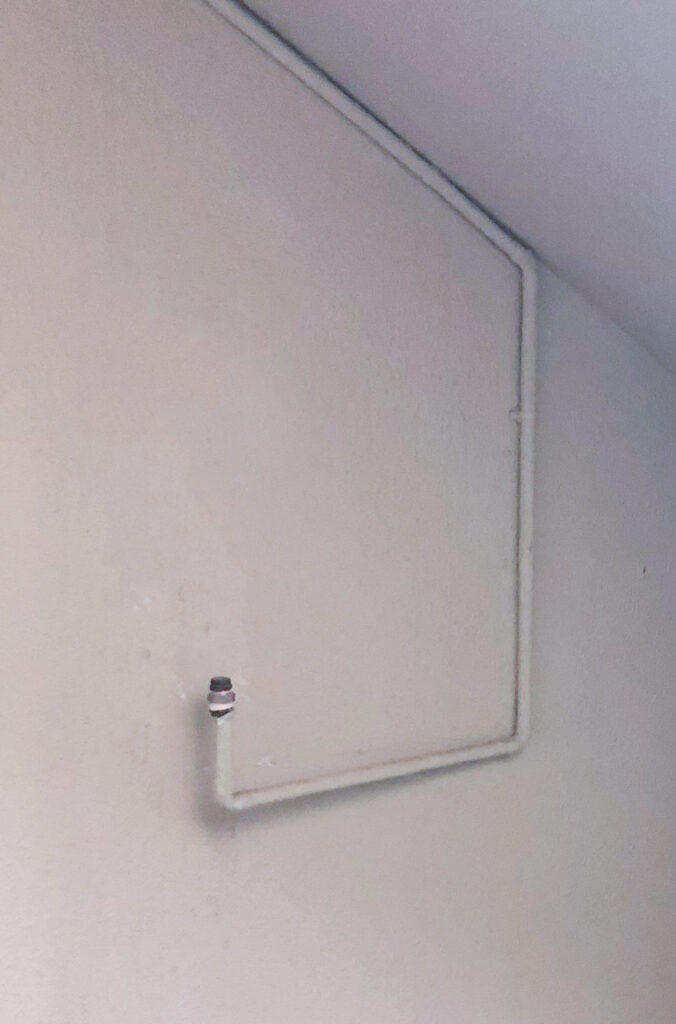
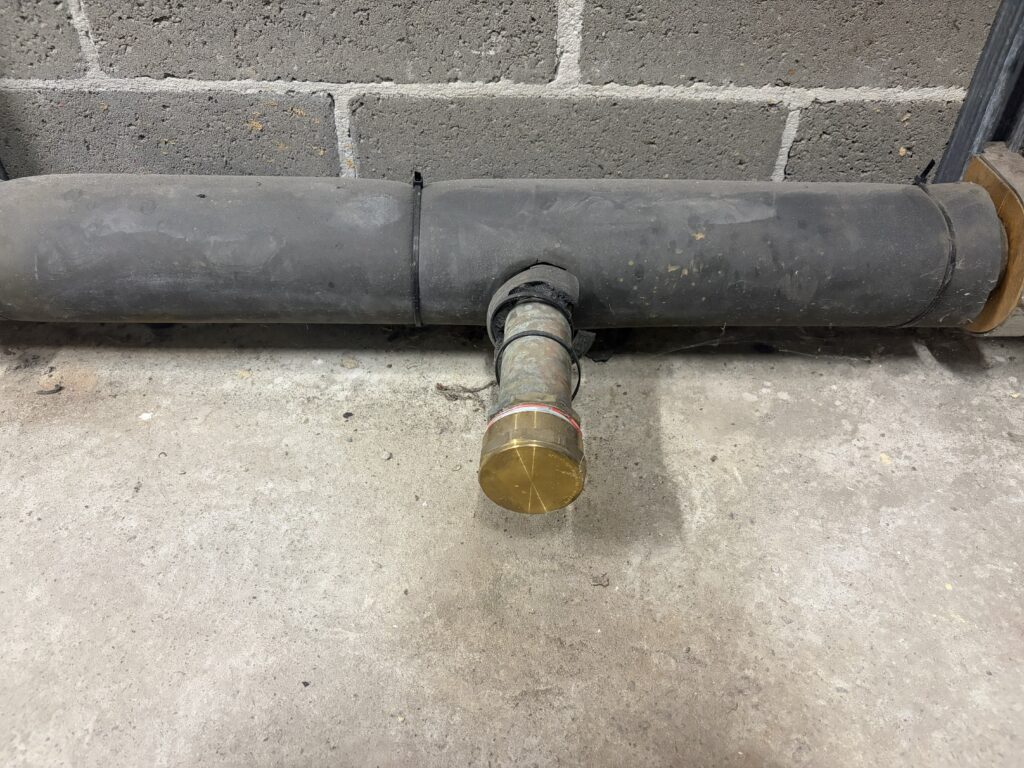
A common misconception is that a pipe must be a certain length before it is considered a dead leg. In reality, any section of pipework that allows water to stagnate can present a Legionella risk, regardless of its length.
Even a short capped branch connected to a tee fitting can create a dead leg if water becomes trapped and is unable to circulate through the system. Over time, stagnant water can lose disinfectant residuals, develop biofilm, and enter temperatures that support bacterial growth.
The level of risk generally increases as the volume of stagnant water increases, but from a water hygiene perspective, any unused or redundant section of pipework should be assessed and, where practical, removed.
For this reason, Legionella risk assessments often focus on identifying:
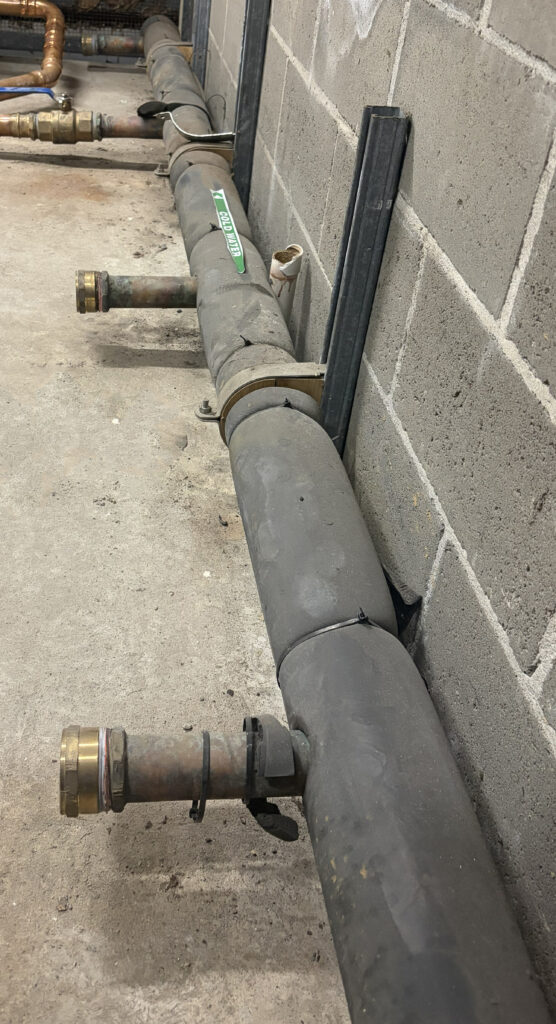
- Capped pipe branches
- Redundant pipework
- Removed fixtures that remain connected
- Low-use outlets
- Areas where water movement is limited or non-existent
Eliminating stagnant water wheever possible is one of the most effective ways to reduce Legionella risks and improve overall water quality within a plumbing system.
How Are Dead Legs Identified?
Dead legs are not always visible and often require a detailed plumbing inspection.
Common methods include:
- Reviewing plumbing drawings
- Physical inspection of pipework
- Tracing water services
- Identifying low-use outlets
- Temperature monitoring
- Water system risk assessments
Many dead legs remain undiscovered until a comprehensive Legionella assessment is performed.
How Are Dead Legs Removed?
The most effective solution is complete removal of redundant pipework.
Depending on the system, remediation may involve:
- Removing unused branches
- Reconfiguring plumbing layouts
- Eliminating redundant fixtures
- Improving water circulation
- Updating outdated plumbing infrastructure
Simply capping a pipe may not always eliminate the risk if stagnant water remains trapped within the system.
Preventing Dead Legs in New Plumbing Systems
Good plumbing design plays a critical role in Legionella prevention.
Best practices include:
- Minimising unused pipework
- Correctly sizing water systems
- Designing for regular water circulation
- Eliminating unnecessary branches
- Maintaining accurate plumbing records
These measures help reduce future maintenance issues and lower Legionella risks.
Professional Dead Leg Identification and Removal
At East Coast Legionella Treatment Specialists, we help businesses throughout the Central Coast and Newcastle identify and eliminate dead legs that may contribute to Legionella growth.
Our licensed plumbing team provides:
- Legionella risk assessments
- Water system inspections
- Dead leg identification
- Pipework modifications
- System flushing
- Sodium hypochlorite treatment
- Water system recommissioning
By addressing stagnant sections of plumbing, facility managers can significantly reduce Legionella risks and improve overall water quality.
Key Takeaway
Dead legs are sections of plumbing where water remains stagnant due to little or no flow. These areas create ideal conditions for Legionella growth by allowing water temperatures to enter the 20°C to 45°C danger zone, encouraging biofilm formation and reducing disinfectant effectiveness. Identifying and removing dead legs is one of the most effective ways to improve water quality and reduce Legionella risks in any plumbing system.