
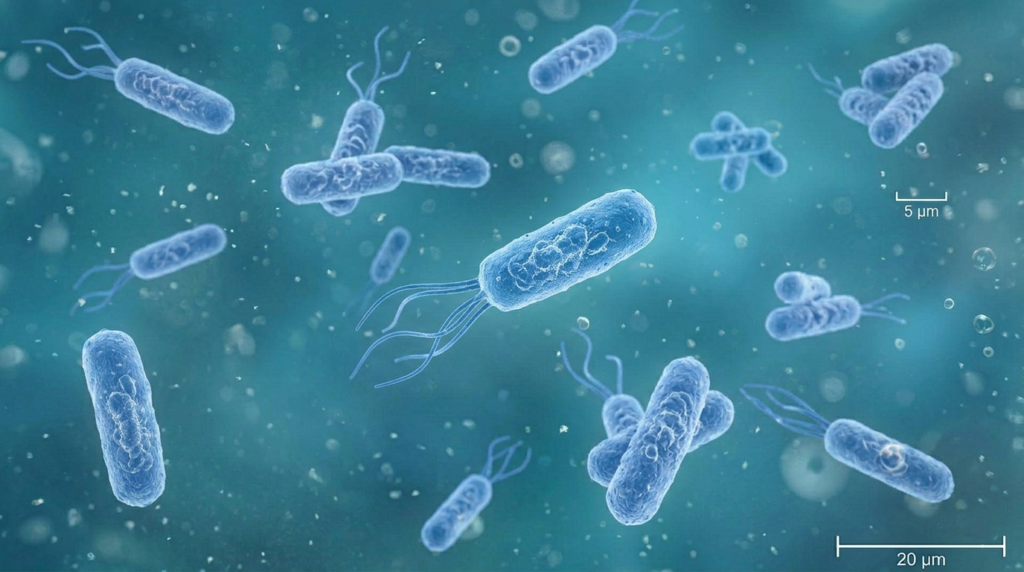
How Do You Prevent Legionella in Water Systems?
Preventing Legionella in water systems requires a proactive approach to plumbing maintenance, temperature control, water circulation, and system hygiene. Legionella bacteria thrive in certain conditions and can quickly multiply if water systems are not properly managed.
For businesses, healthcare facilities, aged care homes, hotels, and commercial buildings throughout NSW, effective Legionella prevention is essential for protecting public health and maintaining compliance with Australian standards and health guidelines.
Understanding the Legionella Temperature Danger Zone
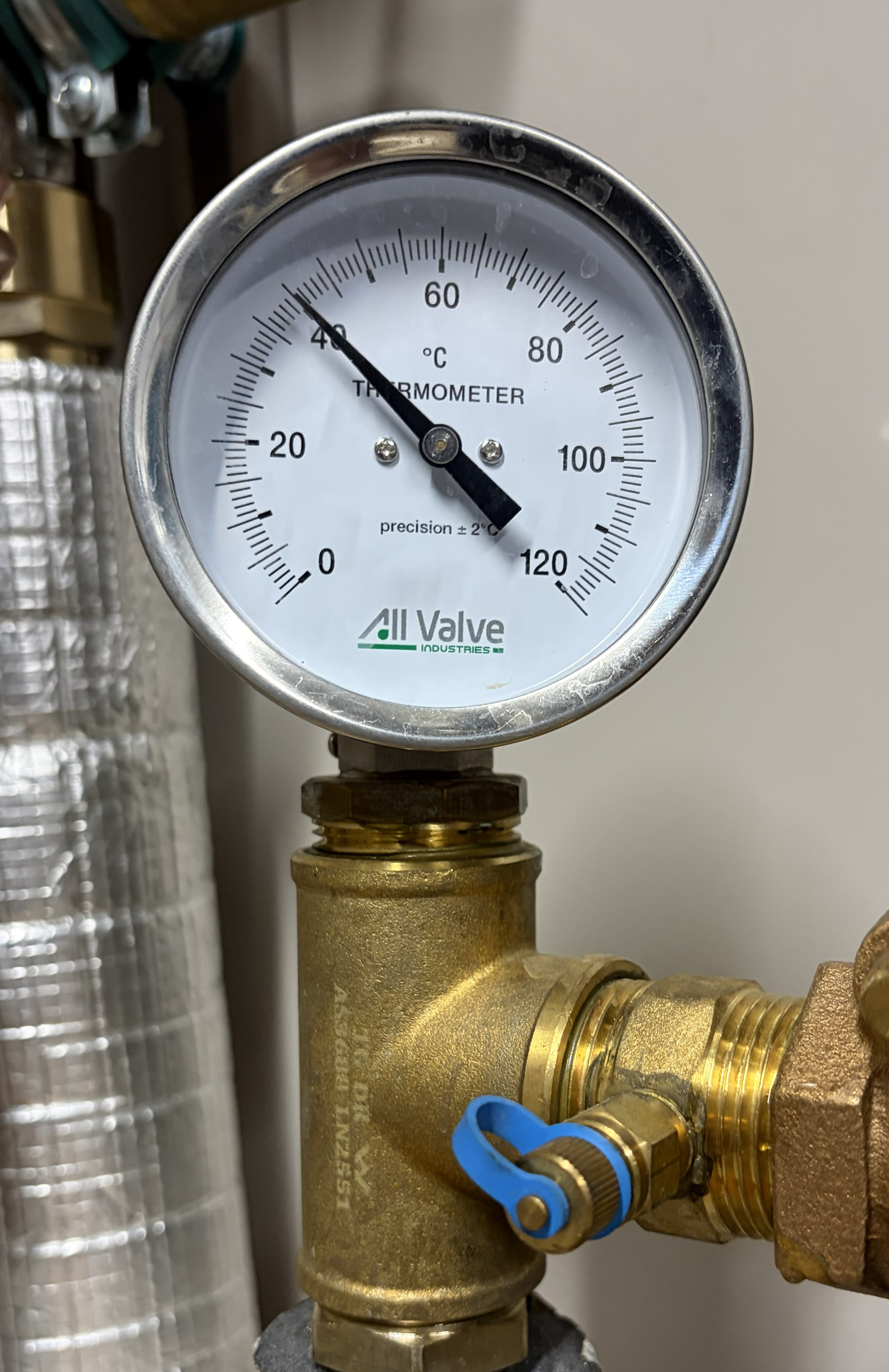
Temperature control is one of the most important factors in preventing Legionella growth within plumbing systems.
Legionella bacteria multiply rapidly in water temperatures between 20°C and 45°C, with warm water environments providing ideal conditions for bacterial growth. Unfortunately, many warm water systems are designed to deliver water at approximately 43°C to fixtures, which falls directly within the Legionella growth range.
This creates a unique challenge for facility managers and building owners. While water temperatures around 43°C help reduce the risk of scalding, they can also create favourable conditions for Legionella if systems are not properly monitored and maintained.
To minimise risk, hot water should be:
- Stored at or above 60°C
- Circulated at temperatures that discourage bacterial growth
- Delivered through properly maintained thermostatic mixing valves (TMVs) where required
Cold water systems should be maintained below 20°C wherever practical, as higher temperatures can also promote bacterial growth.
Because warm water systems often operate in the Legionella danger zone, ongoing temperature monitoring, regular flushing programs, and routine system inspections are essential. Even small temperature variations, stagnant water, or poorly maintained plumbing components can create conditions that allow Legionella bacteria to establish and multiply.
Maintaining correct temperatures throughout the entire water system is one of the most effective ways to reduce Legionella risks and support compliance with Australian standards and NSW health guidelines.
Prevent Water Stagnation
Stagnant water is one of the leading causes of Legionella growth.
When water remains unused for extended periods, disinfectant levels can decrease, temperatures may enter the bacterial growth range, and biofilm can begin to develop within the plumbing system.
Common areas where stagnation occurs include:
- Dead legs in pipework
- Low-use outlets
- Redundant plumbing sections
- Oversized water storage systems
Regular flushing programs help ensure fresh water circulates throughout the system and reduces the likelihood of bacterial colonisation.
Control Biofilm Growth
Biofilm is a slimy layer of microorganisms that forms on the internal surfaces of pipes, valves, tanks, and fixtures.
Once established, biofilm provides protection for Legionella bacteria, making them more difficult to eliminate through temperature control alone.
Effective Legionella management often includes:
- Routine system inspections
- System cleaning and disinfection
- Removal of stagnant sections of pipework
- Ongoing water quality monitoring
Controlling biofilm is a critical component of any successful Legionella prevention strategy.
Maintain Proper System Design
Well-designed plumbing systems are less likely to develop conditions that support Legionella growth.
Key design considerations include:
- Eliminating dead legs and unused pipework
- Proper insulation of hot and cold water pipes
- Correctly sized storage tanks
- Maintaining adequate water circulation
- Strategic placement of thermostatic mixing valves
Good system design helps maintain safe temperatures and reduce areas where water can stagnate.
Implement Regular Inspection and Maintenance Programs
Routine maintenance is essential for identifying problems before they become serious risks.
A comprehensive Legionella prevention program may include:
- Temperature monitoring
- Water system inspections
- Risk assessments
- Water sampling and testing
- Flushing procedures
- Disinfection treatments when required
Regular maintenance helps ensure water systems continue to operate safely and efficiently.
Use Effective Disinfection Methods
When elevated bacterial risks are identified, professional disinfection may be required.
Sodium hypochlorite treatment is commonly used to disinfect plumbing systems because it can penetrate biofilm and provide system-wide treatment. Following treatment, systems should be thoroughly flushed, recommissioned, and returned to service in accordance with established procedures.
Legionella Prevention in NSW
Property owners and facility managers across Central Coast, Newcastle, and throughout New South Wales have a responsibility to maintain safe water systems and minimise Legionella risks.
Failure to manage water systems correctly can increase the likelihood of bacterial growth, potentially leading to health risks, compliance issues, and costly remediation works.
Professional Legionella Prevention Services
Preventing Legionella requires more than occasional maintenance. It involves ongoing monitoring, temperature management, flushing programs, disinfection, and proper plumbing practices.
At East Coast Legionella Treatment Specialist our licensed plumbing specialists help businesses and facility managers reduce Legionella risks through professional inspections, water system management, chlorination treatments, and compliance-focused maintenance programs designed to keep water systems safe year-round.