Can You Get Legionella From a Shower?
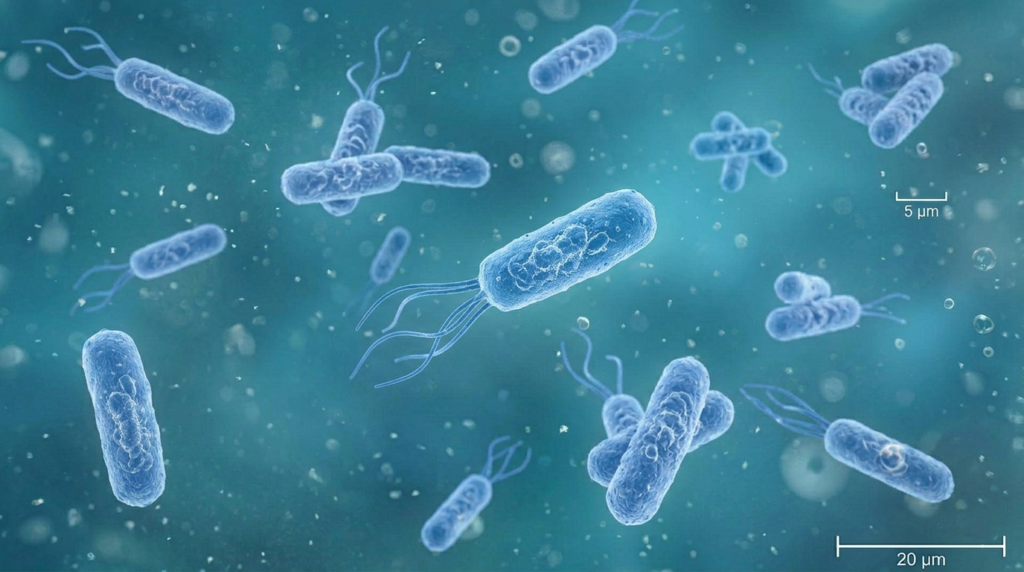
Yes, showers are one of the most common ways people can be exposed to Legionella bacteria. However, the risk does not come from drinking the water. Legionnaires’ disease is typically contracted by inhaling tiny airborne water droplets, known as aerosols, that contain Legionella bacteria.
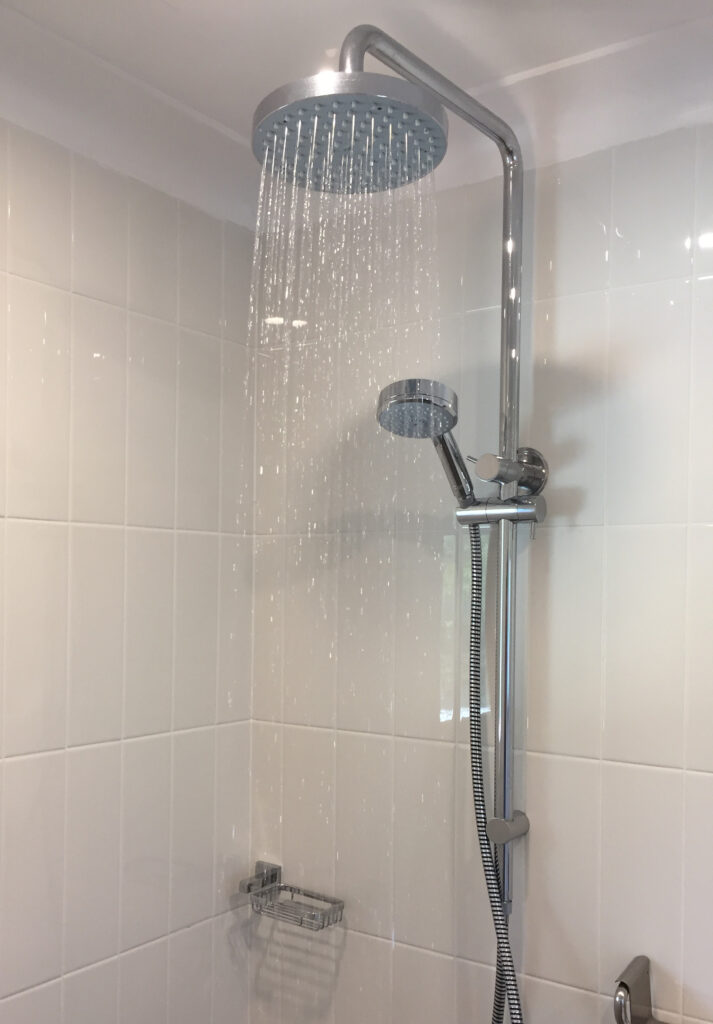
When a shower is used, it produces a fine mist of water droplets that can be inhaled deep into the lungs. If Legionella bacteria are present within the plumbing system, these droplets can potentially carry the bacteria and create a risk of infection.
How Does Legionella Get Into a Shower System?
Legionella does not usually originate at the shower itself. Instead, the bacteria can develop elsewhere within the water system and eventually reach shower outlets through the plumbing network.
Common areas where Legionella can grow include:
- Warm water storage tanks
- Warm water circulation systems
- Low-use pipework
- Dead legs and stagnant sections of plumbing
- Thermostatic mixing valve (TMV) systems
- Biofilm inside pipes and fixtures
Once established within a plumbing system, Legionella bacteria can spread throughout the network if appropriate control measures are not maintained.
Why Are Showers Considered High Risk?
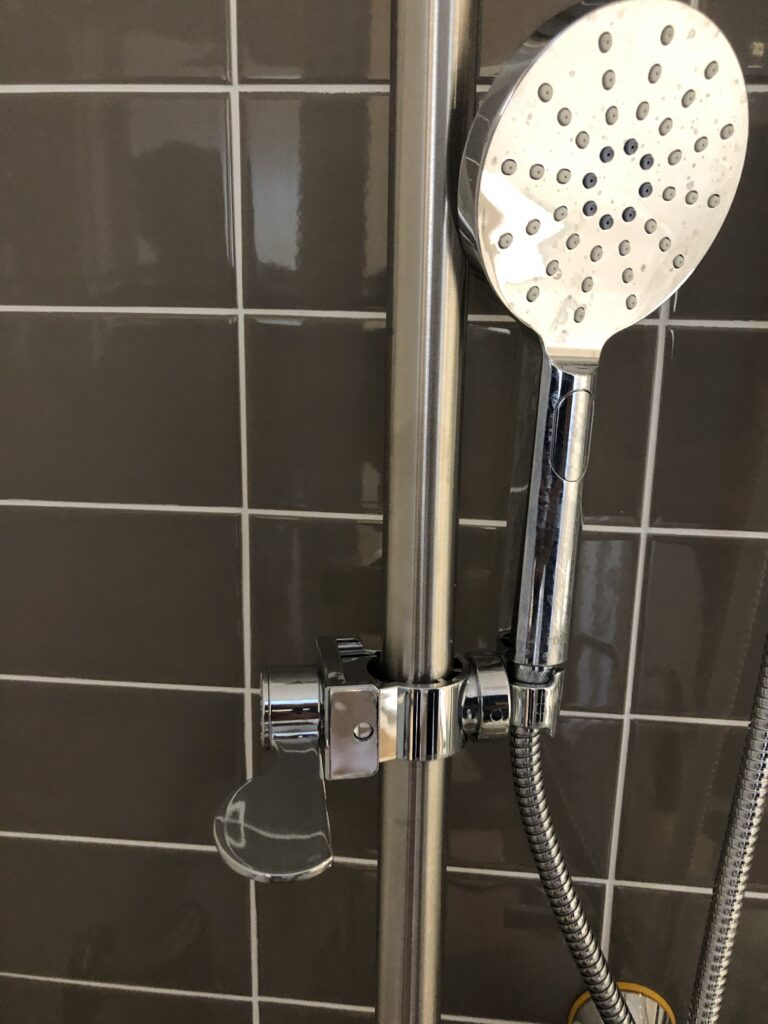
Showers create an ideal environment for exposure because they generate a fine aerosol that can be easily inhaled.
Unlike drinking contaminated water, which rarely causes Legionnaires’ disease, inhaling contaminated water droplets allows the bacteria to enter the respiratory system where infection can occur.
For this reason, healthcare facilities, aged care homes, hotels, gyms, sporting facilities, and commercial buildings place significant emphasis on managing shower systems as part of their Legionella prevention programs.
The Challenge of Warm Water Systems
Many warm water systems are designed to deliver water at approximately 43°C to prevent scalding. While this temperature is comfortable and safe for users, it also falls within the temperature range where Legionella bacteria can multiply.
Legionella grows most rapidly between 20°C and 45°C, making poorly managed warm water systems particularly vulnerable to bacterial growth.
To minimise this risk:
- Hot water should be stored at 60°C or above
- Cold water should remain below 20°C where practical
- Thermostatic mixing valves should be properly maintained
- Water temperatures should be regularly monitored and recorded
Because warm water delivery temperatures often sit close to the Legionella growth range, ongoing monitoring and maintenance are critical.
The Role of Biofilm in Shower Systems
One of the biggest challenges in controlling Legionella is biofilm.
Biofilm is a slimy layer of microorganisms that develops on the internal surfaces of pipes, shower hoses, shower heads, valves, and fixtures. This layer provides protection for Legionella bacteria, allowing them to survive and multiply even when water quality appears normal.
Over time, bacteria can be released from biofilm and enter the flowing water, increasing the risk of contamination throughout the system.
Regular cleaning, flushing, and disinfection are essential for reducing biofilm and maintaining safe shower systems.
Who Is Most at Risk?
While anyone can potentially be exposed, certain groups are more susceptible to Legionnaires’ disease, including:
- Adults over 50 years of age
- Smokers
- People with chronic lung conditions
- Hospital patients
- Aged care residents
- Individuals with weakened immune systems
- People undergoing cancer treatment
- Organ transplant recipients
Facilities that accommodate vulnerable occupants should implement comprehensive water management programs to minimise exposure risks.
How to Reduce Legionella Risks in Showers
Effective Legionella prevention requires a combination of system design, maintenance, and monitoring.
Best practices include:
- Maintaining correct hot and cold water temperatures
- Routine flushing of low-use outlets
- Removing dead legs and stagnant pipework
- Regular inspection of shower heads and hoses
- Biofilm control and disinfection
- Water system risk assessments
- Legionella testing where appropriate
These measures help reduce bacterial growth and maintain safe water quality throughout the plumbing system.
Professional Legionella Management for NSW Facilities
Across the Central Coast, Newcastle, and wider NSW region, businesses and facility managers have a responsibility to maintain safe water systems and protect building occupants from Legionella risks.
At East Coast Legionella Treatment Specialists, our licensed plumbing specialists provide Legionella risk assessments, sodium hypochlorite treatment, system flushing, temperature monitoring, and water system management services designed to help keep showers and plumbing systems safe, compliant, and operating effectively year-round.
Key Takeaway
You can get Legionella from a shower if contaminated water droplets are inhaled. Because showers create aerosols and warm water systems often operate within the Legionella growth range, proper plumbing maintenance, temperature control, and regular monitoring are essential to reducing risk and protecting public health.