
Legionella Water Treatment & Risk Management -Plumbing Services
Legionella Risk Management & Water Treatment – Central Coast & Newcastle NSW
Protect your facility, your property, and your reputation with licensed plumbers specialising in Legionella control and water system safety. We provide compliant plumbing solutions for the inspection, treatment, and ongoing management of warm water systems across commercial, industrial, and residential facilities.
Our team delivers practical, hands-on plumbing services designed to reduce Legionella risk, ensure regulatory compliance, and keep your water systems operating safely.
What is Legionella and Why is it a Risk in NSW?
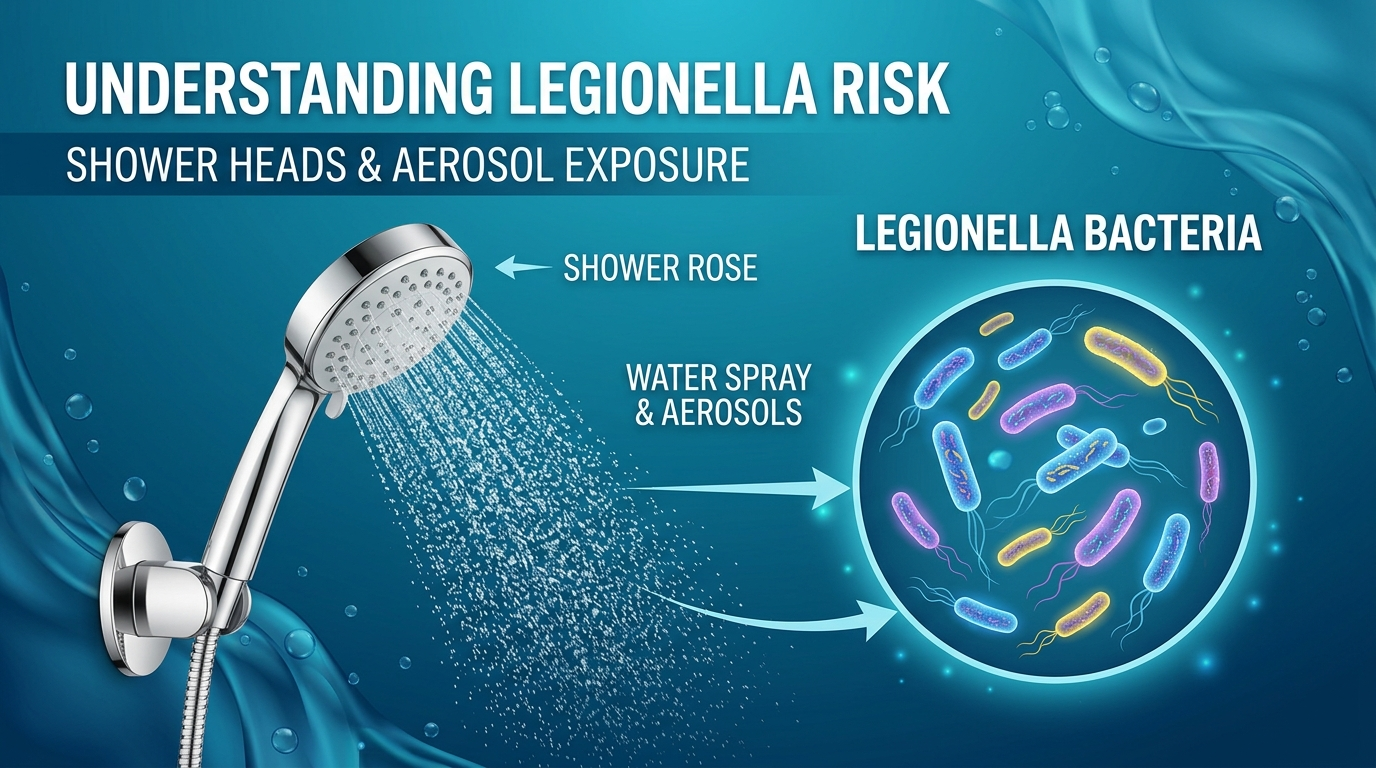
Legionella is a harmful bacteria that can develop within plumbing systems, particularly in warm water environments such as hot water systems, storage tanks, pipework, and cooling towers.
When contaminated water becomes aerosolised, it can be inhaled and lead to Legionnaires’ disease—a serious respiratory illness.
Proper plumbing maintenance, temperature control, and system design are critical to preventing Legionella growth and ensuring compliance with Australian health regulations.
Compliant with NSW Health & Australian Standards
We help your facility meet all regulatory requirements, including:
- NSW Health guidelines for Legionella control
- enHealth Guidelines compliance
- Risk management plans and reporting
Avoid litigation, shutdowns, and liability with a fully compliant water system.

Legionella Risk Assessment
- Detailed plumbing inspections of water systems
- Identification of high-risk areas within pipework and infrastructure
- Custom risk management plans

Hot & Cold Water System Plumbing
- Temperature control and monitoring
- Flushing and stagnation prevention
- Dead-leg removal and system optimisation

Water Treatment Programs
- Sodium Hypochlorite treatment
- Disinfection and system cleaning
- Biofilm and bacteria control

Water System Flushing & Recommissioning Services
- Full flushing following Legionella treatment
- Recommissioning of hot and cold water systems
- Compliance checks before returning systems to service
Why is Chlorination superior to Thermal shock disinfection?
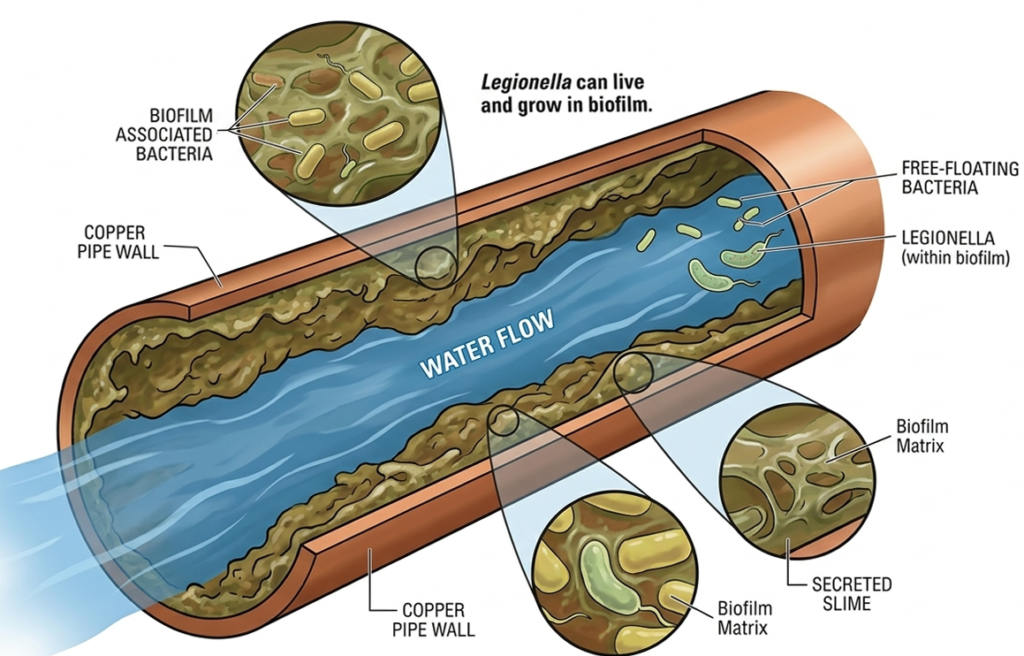
Super chlorination is widely regarded as more effective than heat disinfection for controlling Legionella because it not only treats the bulk water, but also penetrates and disrupts biofilm within the system. Biofilm is a slimy layer of microorganisms that forms on the internal surfaces of pipes, tanks, and fixtures. It acts as a protective barrier, allowing Legionella bacteria to survive and multiply while shielding them from heat and other environmental stresses. While heat disinfection relies on raising water temperatures to levels that kill bacteria, it can struggle to fully eliminate organisms embedded within biofilm, especially in complex or low-flow areas. In contrast, super chlorination introduces a high concentration of disinfectant that can break down biofilm, kill bacteria at the source, and provide a more thorough and reliable system-wide treatment when properly applied and flushed.
Who is most at risk of Legionnaires disease?
Immunocompromised Risk
Legionnaires’ disease primarily impacts adults over middle age, especially individuals who smoke or have existing respiratory conditions. The risk is also higher for people with weakened immune systems, whether due to medical treatments or underlying illnesses such as cancer, kidney disease, diabetes, or HIV.
Legionella Risk in Newborns
While Legionnaires’ disease most commonly affects older adults, newborns and infants can also be vulnerable in rare cases. Their immature immune systems make it more difficult to fight off infections if exposure occurs.
In healthcare settings—particularly hospitals and neonatal units—strict water hygiene controls are essential. Exposure risks may come from contaminated water sources such as humidifiers, bathing equipment, or improperly maintained warm water systems.
Because of this, facilities caring for infants must maintain rigorous water management programs, including temperature control, system disinfection, and regular testing to minimise any potential risk.
Local Expertise You Can Trust
We understand the specific compliance and environmental challenges in controlling Legionella in your facility
Flow and Return Systems
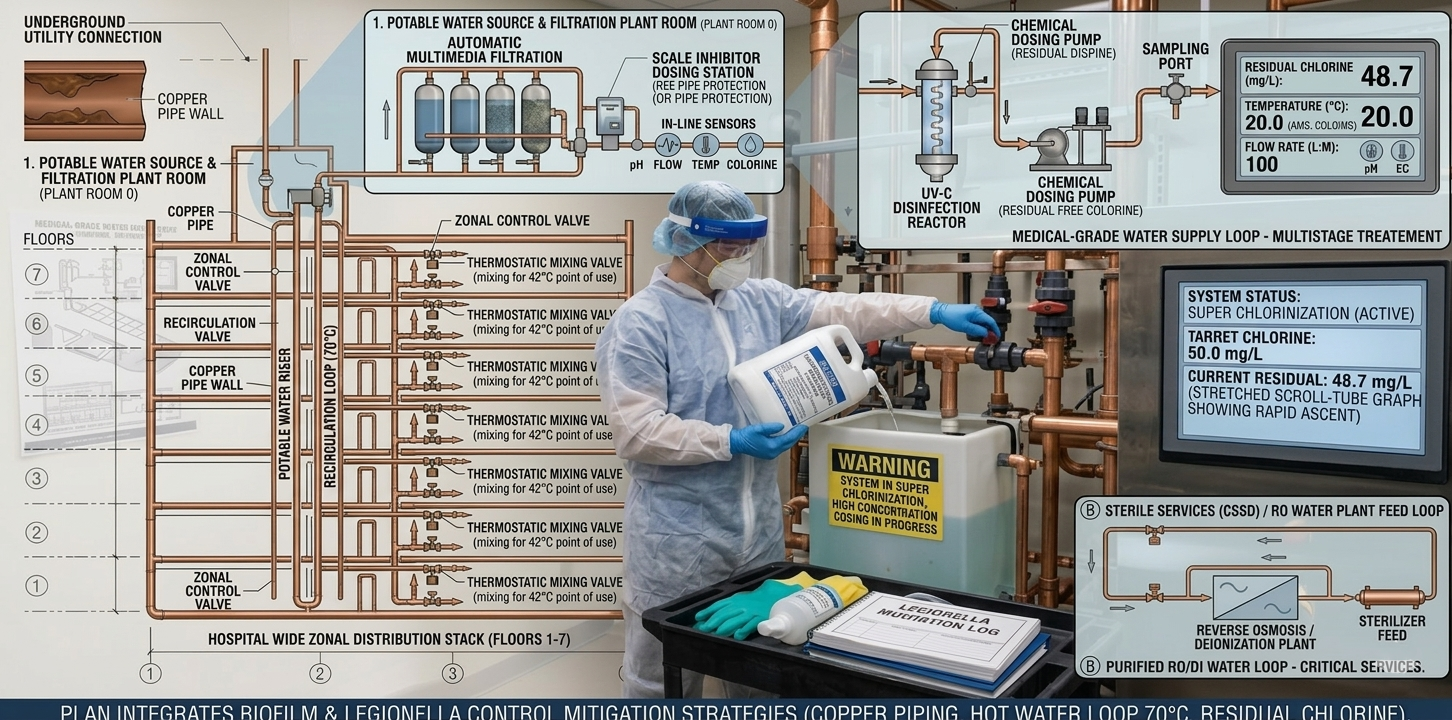
Understanding the best treatment options requires a strong understand on your facilities pipework and configeration
Biofilm Removal
Clean and maintain water system components,
such as thermostatic mixing valves, aerators,
showerheads, hoses, filters, and storage
tanks, regularly.
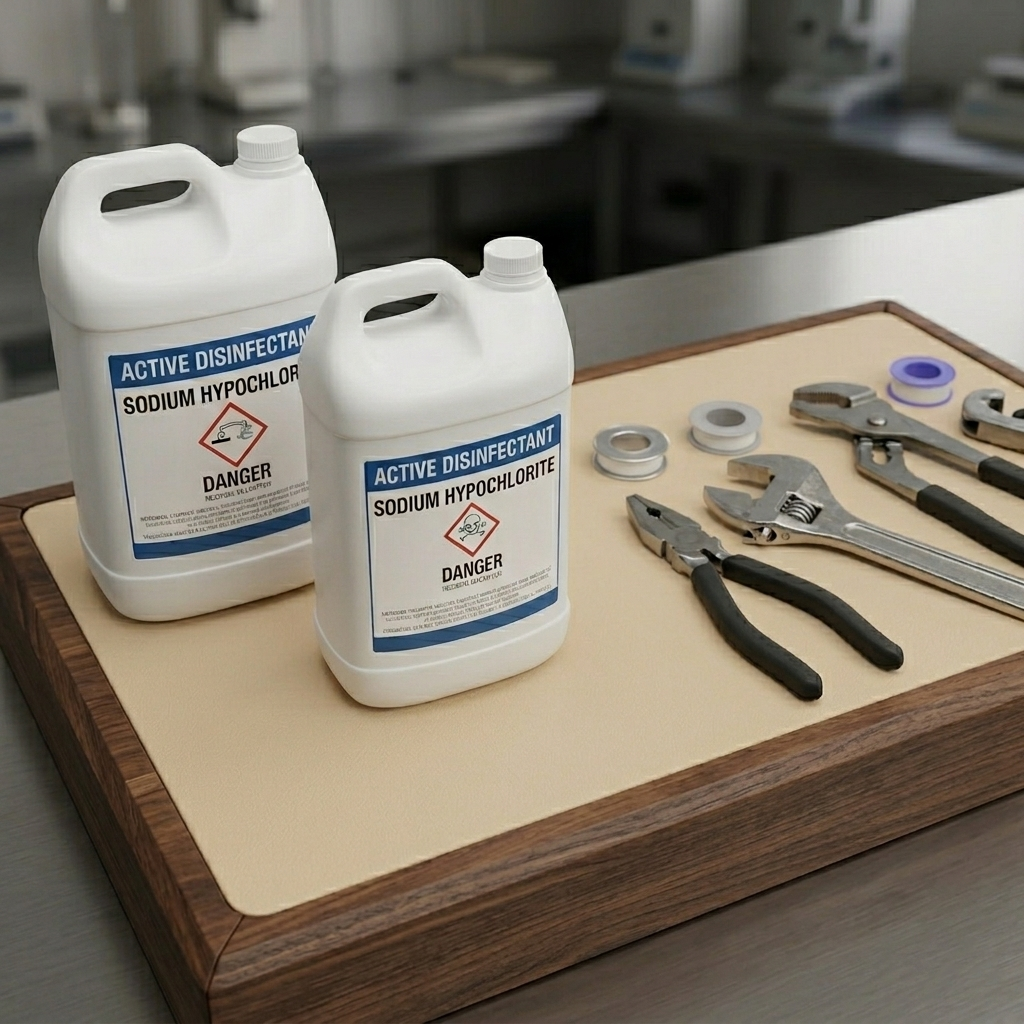
Dosing 50ppm @ PH>7.6
Lorem ipsum dolor sit amet, consectetur adipiscing elit. Ut feugiat aliquet convallis. Morbi cursus scelerisque est.
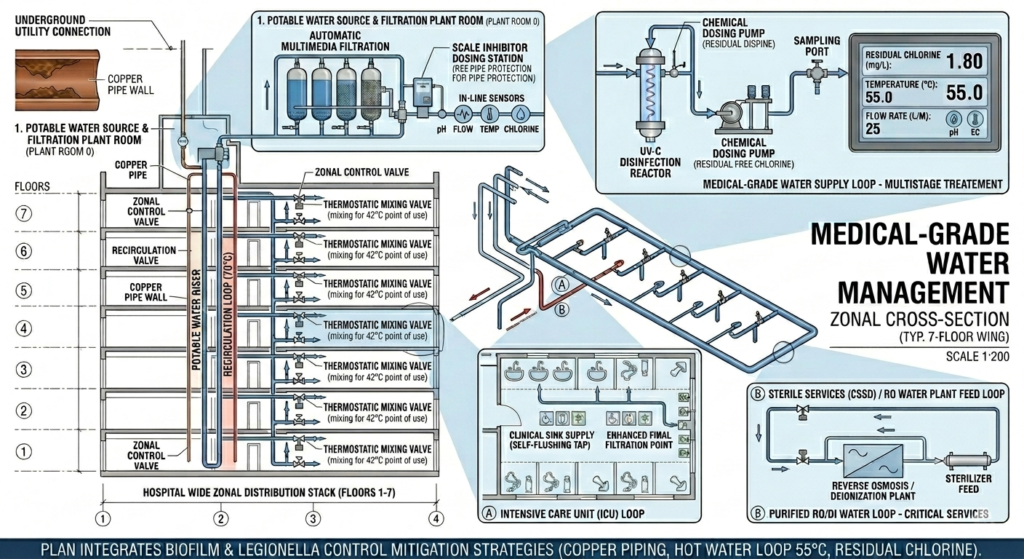
Best Practice Water System Design to Minimise Legionella Risk
- Insulate pipework to help maintain consistent hot and cold water temperatures across the entire system.
- Remove or redesign areas with little to no water movement (commonly known as dead legs) to prevent stagnation.
- Position thermostatic mixing valves close to outlets to reduce scalding risk while allowing higher circulating hot water temperatures
- Be aware that low-flow fixtures and complex devices, such as sensor-operated taps, may contribute to increased Legionella risk if not properly managed.
- Assess system components that can reduce disinfectant levels over time, including UV treatment units, water softeners, carbon filtration systems, and heaters.
- Ensure storage tanks are correctly sized and equipped with recirculation systems to maintain consistent flow and minimise temperature stratification.
- Install accessible sampling points throughout the system to support routine testing, monitoring, and validation of water management programs.
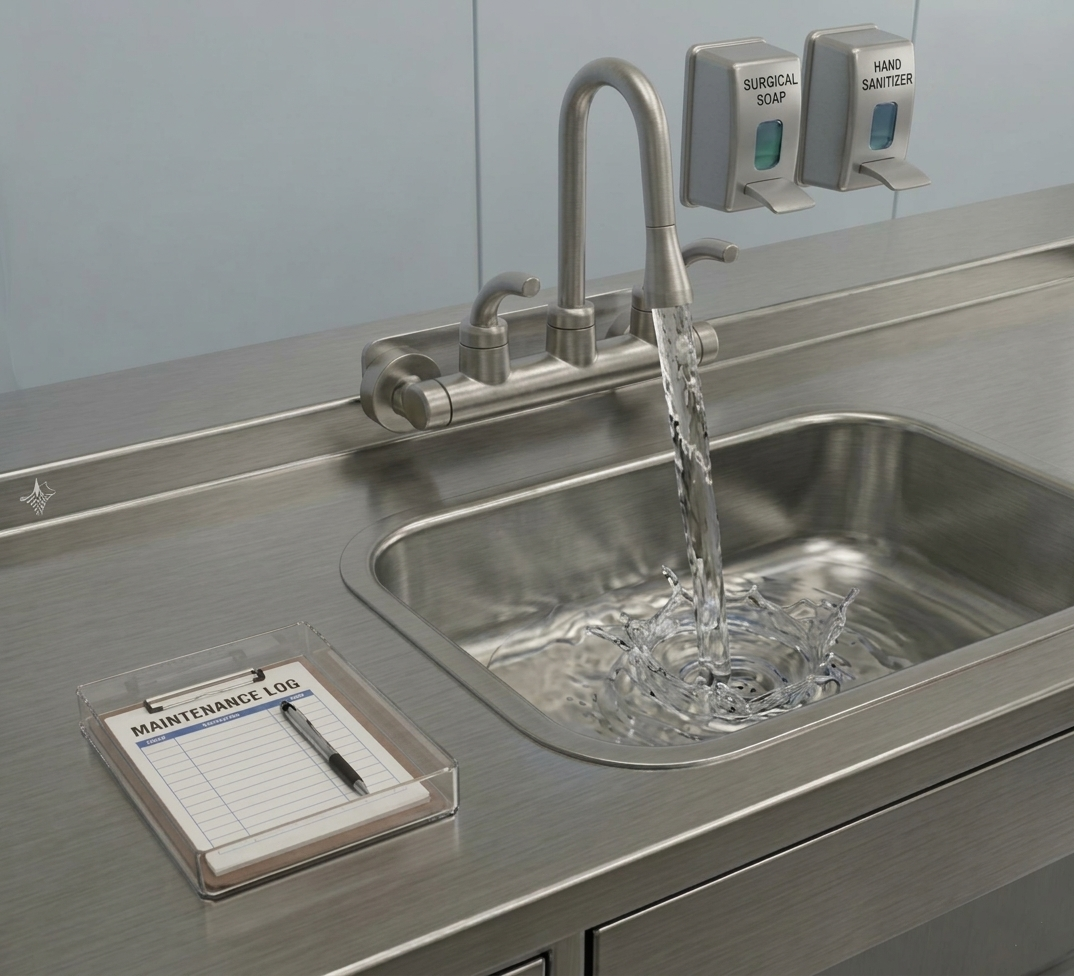
Flushing of Warm Water Systems can help Prevent Legionella bacteria from occurring
Flush low-flow piping runs and dead legs at
least weekly and flush infrequently used fixtures
(e.g., eye wash stations, emergency showers)
regularly as-needed to maintain water quality
parameters within control limits.
Why Choose Our Plumbing Team
- Undertake Legionella Management Advisory Group accreditation
- Licensed and experienced plumbing professionals
- Specialists in Legionella risk management
- Compliant with Australian standards and NSW requirements
- Tailored plumbing solutions for your system
- Fast response and ongoing support
- Clear reporting and documentation

Expert Legionella Management for Healthcare & Childcare
We provide specialised Legionella risk management services for hospitals, aged care, and childcare facilities across NSW, ensuring your systems remain safe, compliant, and aligned with current health guidelines.

Industries We Service
- Commercial & office buildings
- Healthcare & aged care facilities
- Hotels, resorts & accommodation
- Industrial & manufacturing sites
- Schools & government facilities

Local Expertise You Can Trust
We understand the specific compliance and environmental challenges faced by businesses in:
- Gosford
- Wyong
- Erina
- Woy Woy
- Tuggerah
- Newcastle
- Maitland
- Lake Macquarie

Expert Legionella Management for Healthcare & Childcare
We provide specialised Legionella risk management services for hospitals, aged care, and childcare facilities across NSW, ensuring your systems remain safe, compliant, and aligned with current health guidelines.

Contact Us
- 0418 434820